
Subtotal
$0.00

The Tooth Fairy tradition has enchanted children for generations,
but it’s far more than just a fun story about a magical being who exchanges teeth for money. This beloved childhood ritual plays a crucial role in developing a child’s imagination and cognitive abilities during their formative years.


Why Childhood Myths Like the Tooth Fairy Matter
The Role of Magical Characters in Early Development
Magical characters like Tooth Fairy Kits, Santa Claus, or the Easter Bunny play a meaningful role in early childhood development. They introduce children to symbolic thinking, encourage wonder, and allow kids to explore ideas beyond the limits of everyday reality. These characters become early tools for learning, emotional reassurance, and cognitive expansion.
Why Children Naturally Believe in Fantasy
Children naturally believe in fantasy because their cognitive development supports imagination-first thinking. During early childhood, the brain focuses more on possibilities than logic. This makes magical explanations feel natural, exciting, and emotionally comforting. Kids don’t just accept fantasy; they thrive in it.
How the Tooth Fairy Fits Into Childhood Folklore
Tooth Fairy Kits blend perfectly into global childhood folklore. She represents transformation, growth, and reward. This myth gives children a sense of connection to universal traditions, helping them navigate change through a comforting narrative that generations have shared.
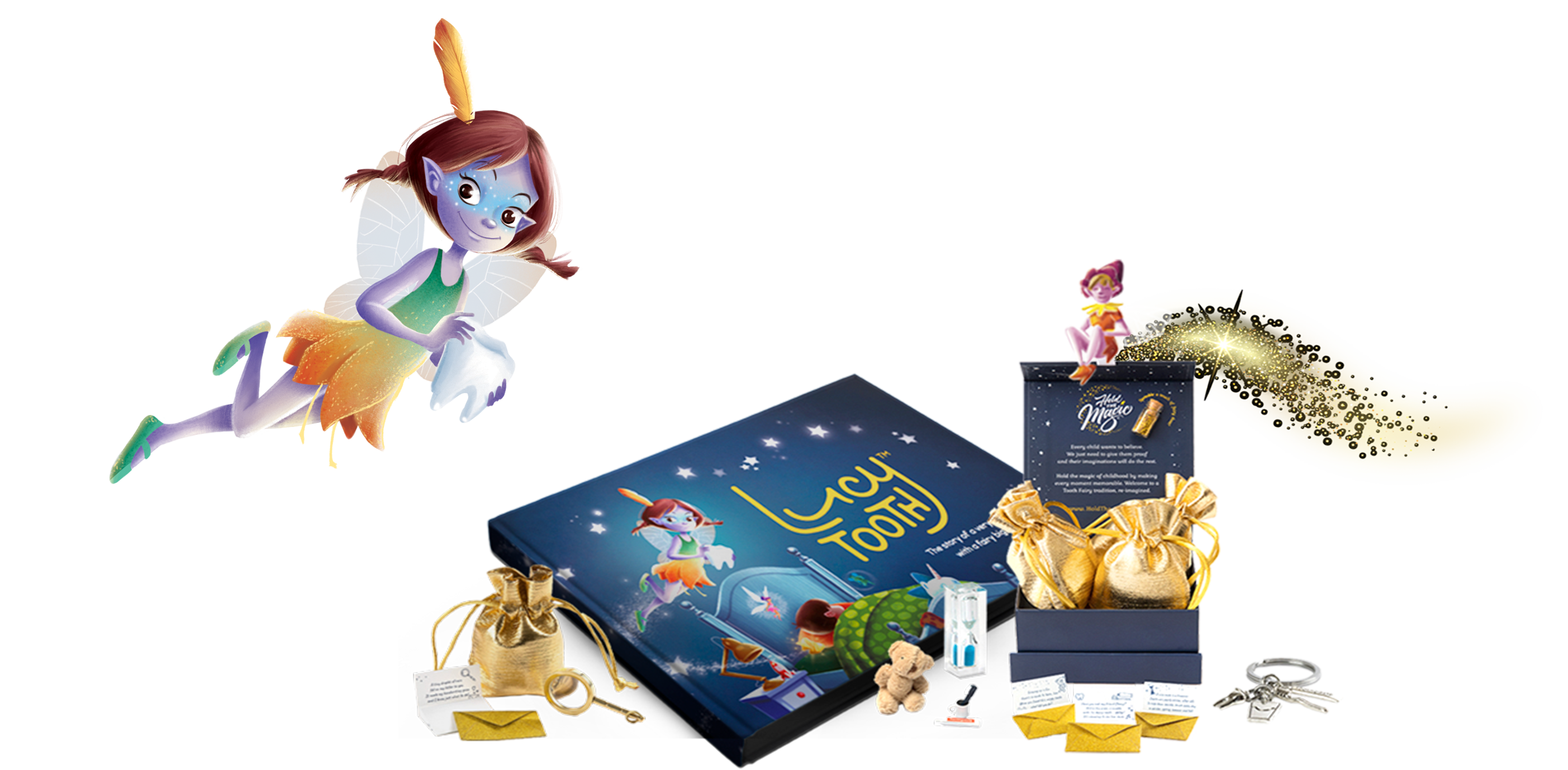
Bring folklore to life with beautifully crafted Tooth Fairy Kits.
The Power of Magical Thinking
When children believe in the Tooth Fairy, they engage in what psychologists call “magical thinking”—a developmental stage where the boundaries between reality and fantasy are fluid. This isn't just harmless fun; it’s a critical component of healthy cognitive development.
Through the Tooth Fairy narrative, children learn to:
Create mental representations of unseen entities. Imagining a tiny fairy flying through their bedroom window requires children to visualize scenarios, characters, and sequences of events that they’ve never witnessed. This mental exercise strengthens their ability to think abstractly and construct detailed mental images.
Develop narrative thinking skills. Children naturally build stories around the Tooth Fairy’s visits. Where does she live? How does she carry all those teeth? What does she do with them? These questions spark creative storytelling and help children understand cause-and-effect relationships.
Encouraging Creative Problem-Solving
The Tooth Fairy tradition presents children with delightful mysteries to solve. How does the Tooth Fairy know when a tooth falls out? How does she enter the house? Can she visit multiple houses in one night? These puzzles encourage children to think creatively and develop their own explanations, fostering problem-solving skills that extend far beyond childhood.
Many children create elaborate preparations for the Tooth Fairy’s visit, writing notes, drawing pictures, or crafting special lost tooth holders. This creative engagement transforms a simple biological event into an opportunity for artistic expression and innovation.
Building Anticipation and Wonder
The waiting period between losing a tooth and the Tooth Fairy’s visit teaches children to anticipate future events and maintain excitement about something they cannot immediately see or experience. This ability to project into the future and imagine possibilities is foundational for planning, goal-setting, and maintaining hope.
The sense of wonder that comes with finding money or a small gift under their pillow reinforces the idea that the world contains surprises and magic worth believing in. This optimistic worldview can contribute to resilience and positive thinking patterns.
Pretend Play Through Ritual and Story
Tooth-under-pillow ritual
This classic ritual sparks imagination by inviting kids to take part in a magical event. They set the stage, make predictions, and wait eagerly for the outcome.
Constructing narratives
Children imagine where the Tooth Fairy lives, what she looks like, and how she magically collects teeth. These self-created stories become powerful cognitive exercises.
Anticipation and emotional excitement
Waiting for the Tooth Fairy builds emotional intelligence by helping kids understand suspense, joy, reward, and curiosity.
Linking Imagination With Emotional Development
Reduces fear of tooth loss
A scary moment becomes something exciting and meaningful.
Creates positive meaning around milestones
Kids feel proud, brave, and accomplished as they celebrate losing teeth through a magical tradition.
Supporting Symbolic Thinking
The Tooth Fairy represents one of a child's first encounters with symbolic exchange—trading something from their body for currency or gifts. This helps children understand that objects can have multiple meanings and values, a concept essential for understanding money, metaphors, and abstract ideas later in life.
Fostering Parent-Child Bonding Through Shared Fantasy
When parents participate in the Tooth Fairy tradition, they enter their child’s imaginative world. This shared fantasy creates special memories and inside jokes that strengthen family bonds. The collaborative storytelling between parent and child enhances communication skills and teaches children that imagination can be a social, shared experience.
Transitioning from Belief to Understanding
Perhaps most importantly, the eventual discovery that the Tooth Fairy isn't real becomes a valuable lesson in itself. Children learn that imagination and reality can coexist, that stories can be meaningful even when they're not literally true, and that growing up involves integrating fantasy with fact. This transition helps develop critical thinking skills while preserving the value of creative imagination.
Practical Tips for Parents
To maximize the imaginative benefits of the Tooth Fairy tradition:
-
Encourage your child to write letters to the Tooth Fairy, prompting them to articulate their thoughts and practice writing skills
-
Ask open-ended questions about the Tooth Fairy’s life, letting your child’s imagination fill in the details
-
Create small surprises that make the visits feel special and reinforce the sense of magic
-
Let your child design their own tooth container or pillow pocket, engaging their creativity
-
Share your own childhood Tooth Fairy stories, showing that imagination spans generations
Choosing the Perfect Tooth Fairy
Selecting the right Tooth Fairy letter template can elevate the entire experience and make each visit feel magical, meaningful, and age-appropriate. Here are six important factors to keep in mind:
1. Your Child’s Age
Children typically lose teeth between ages 6 and 12. Younger kids love bright, whimsical letters, while older children may appreciate more subtle, thoughtful messages. It’s never too late to start a new tradition—just tailor the style to match their stage.
2. Is It Their First Tooth?
The first lost tooth is a major milestone. A special letter highlighting bravery and excitement can make the moment unforgettable. If you want a convenient option for multiple visits, collections like “1st Wiggly Tooth Sets” and ”Wake Up to Magic“ help you stay prepared for future Tooth Fairy nights.
3. Their Dental Hygiene Habits
The Tooth Fairy can be a friendly motivator. Kits that gently encourage brushing, flossing, and healthy habits can make dental care more fun and meaningful.
4. Their Feelings About Losing Teeth
Some children feel anxious or scared, while others are thrilled. A Tooth Fairy letter is a perfect opportunity to reassure nervous kids, celebrate bravery, and create positive emotions around the experience.
5. Is the Tooth Fairy Running Late?
Life happens! If the Tooth Fairy missed the original night, adding a magical “excuse” can turn a slip-up into a charming story instead of a disappointment. Here are 5 ways to handle a forgetful Tooth Fairy.
6. Did Your Child Misplace the Tooth?
Kids grow baby teeth and then lose 20 of them. A kind letter reassuring them that they still deserve a gift teaches compassion, understanding, and emotional comfort.
The Lasting Impact
The Tooth Fairy tradition offers children a safe, structured way to exercise their imagination during a crucial developmental window. This seemingly simple childhood ritual helps build cognitive flexibility, creative thinking, and emotional intelligence—skills that serve children well throughout their lives.
While children eventually outgrow their belief in the Tooth Fairy, the imaginative muscles they’ve strengthened through this tradition continue to serve them. The ability to think creatively, entertain possibilities, and find wonder in everyday experiences remains long after the last baby tooth has fallen out.
In an increasingly digital world where children’s attention is often captured by screens, the Tooth Fairy tradition offers something precious: a reason to dream, imagine, and believe in magic that lives right in their own home.